Tali Arviv, MDPhysician · Founder

Vision · Point of view

Aesthetics scales at the speed of its people.

A decade of treating patients, training providers, and operating clinics leads to one conclusion: the industry's ceiling is not demand or capital. It is the number of practitioners who can deliver safe, consistent, well-judged care, and the systems that support them.

Written for
Editors, program committees, founders, investors
Vantage point
Clinician, educator, operator, advisor
Through-line
Safer, smarter, more scalable aesthetic medicine

The thesis, in four parts

01

The constraint is people, not demand

Capital, devices, and consumer appetite are abundant. Confident, competent providers are not. The next decade of growth in aesthetics is gated by how quickly the industry can produce practitioners who can actually run a treatment room.
02

Training must end in competency

A weekend certificate is not a credential. Education should end where practice begins: anatomy, assessment, product selection, treatment planning, complication management, and documentation, measured against a standard rather than an attendance sheet.

03

Standards protect the whole field

Every avoidable complication becomes an industry story. Screening, informed consent, conservative technique, oversight, and honest scope of practice are not friction. They are what allows aesthetics to be taken seriously as medicine.

04

Technology belongs in operations first

The most valuable near-term use of AI in aesthetics is not the treatment itself. It is the operating layer: intake, lead-to-consult conversion, call intelligence, scheduling, protocol adherence, and the reporting that tells an owner what is actually happening.

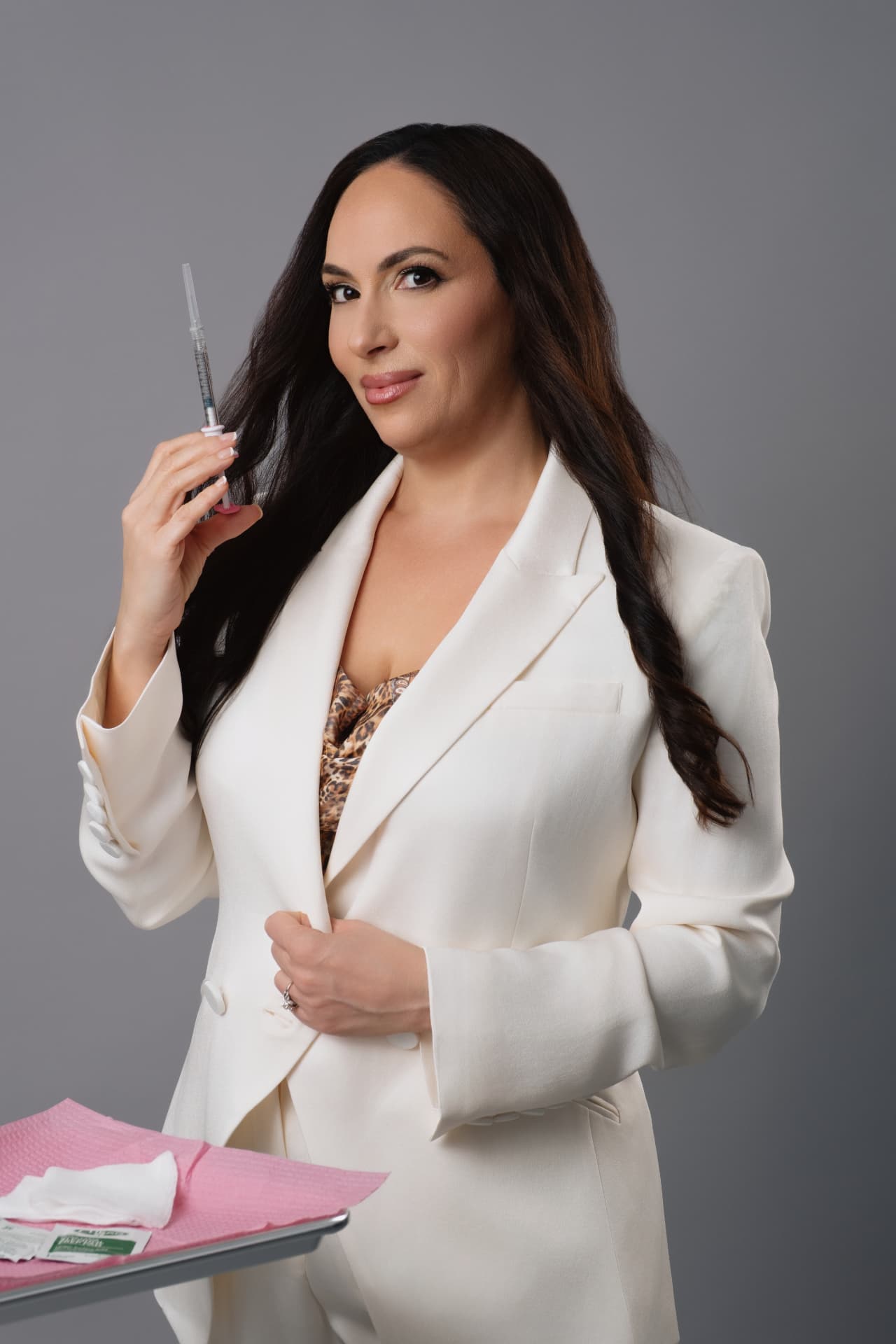
Dr. Tali Arviv, MD in a white suit beside a treatment tray

Manifesto

“The goal is not to teach someone a procedure. It is to help them think like an experienced practitioner and business owner.”

Judgment is the asset. Technique can be taught in a room; judgment is built through assessment, planning, complications, and accountability. Any education model that produces confidence without judgment is a liability to the patient and to the field.

The same principle applies to business. A practice that cannot explain its pricing, staffing, protocols, or patient experience is not a practice. It is a room with equipment in it.

What she is watching

Six forces reshaping the industry, evaluated from the clinical, operational, and commercial sides at once.

Consolidation
Private investment and multi-site platforms reshaping ownership
Provider models
Scope, supervision, and the economics of injector labor
Regenerative
Evidence discipline as claims outpace clinical data
Devices
Capital equipment decisions made on utilization, not novelty
Consumers
A more informed patient asking harder questions
AI
Operating systems for clinics before algorithms in clinics